They have a way of reshaping your experience simply through their structure and intentional creation.
The most thoughtful types of architecture often relate to memorial sites or monuments full of meaning beyond stone, steel, and glass. Not only do they celebrate people and ideals long gone, but they also make room for new types of reflection. The locations listed below affect the folks who view them, walk inside, or sit for a moment and allow the setting to affect their inner selves.
Taj Mahal in Agra, India
The stunning symmetry of the Taj Mahal reflects in the pure waters of the long pool before it. Built as a memorial by Emperor Shah Jahan for his beloved, the meaning behind the architecture invites reflection as much as it stuns with its beauty. Walking closer presents a controlled approach to its beauty. Resting and reflecting for a while settles something deep inside. The combination of procession and the effects of light work together well.
Although the history of the place does invite reflection, it is the modern experience that transforms visitors’ experience. There’s nothing abrupt or forceful about its design. Instead, people are forced to approach slowly and sink into the encounter in a more reflective manner.
Angkor Wat Archaeological Park in Siem Reap, Cambodia
This Hindu turned Buddhist temple and larger site represents one of the oldest and most impressive ancient architecture sites in the world. Angkor Wat not only offers impressive walkways and towers to marvel at, but it also presents a peace that seeps into our pores. The scale is massive, but instead of overwhelming visitors, it invites them to become a part of the spiritual resonance of the place.
Time becomes an element that affects the experience of visiting this place. Visitors become immersed in not only the long history of its purpose, but also the rhythm of timelessness as they journey through the site. Each person becomes a distinct part of things as they change their perspectives and let their mind drift either through history or inward to a place of quiet.
Pantheon in Rome, Italy
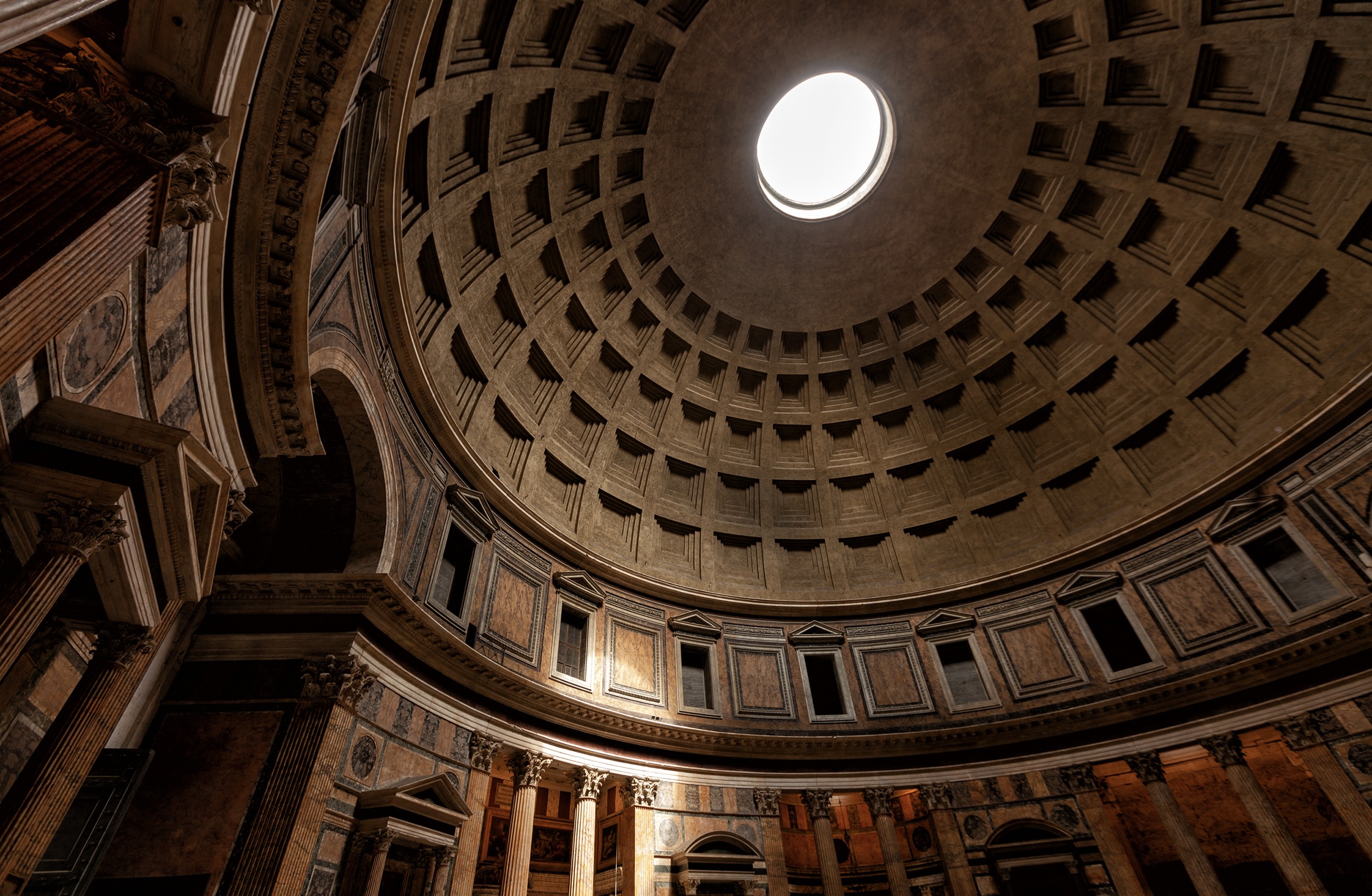
The massive dome and circular architecture of the Pantheon display ancient Roman art and building skills perfectly. The form itself is quite clear and comfortable, but the scale makes visitors feel like part of something much more important. One of the most unique features is the open oculus at the top, which allows sunlight or rain to fall unhindered into the space. It’s a revenant place that welcomes reflection with the unique combination of enduring stone and nature brought together as one.
The structure itself feels grounded, which allows visitors to experience this feeling within them. Then, the integration of light and sometimes water reinvigorates the mind to notice change and the passage of time. The place echoes with the past and the deep inner workings on each individual’s mind and heart. Standing directly below the oculus allows folks to feel centered in a way encouraged by the walls and dome around them.
Rothko Chapel in Houston, Texas
Although the Rothko Chapel does not have the weight of ancient creation, its thoughtful and intentional design and creation invite visitors to experience more than a simple walk-through. John and Dominique de Menil founded this non-denominational space in 1971 as a place for silent medication and reflection. It’s octagonal, has a light-welcoming dome, and has a simplicity that absorbs distractions of the outside world. The darker and restful experience within transforms into something else as people step outside to view the reflecting pool and sculpture.
When there’s nothing fancy or frivolous in the architecture and artistry, all that is left is a place for reflection and inner peace. While the outside space and eye-catching sculpture can invigorate the senses, stepping inside to the quiet, dim interior pushes visitors somewhere else. In the peace, they have a rare opportunity to sit, reflect, and simply be in a way that can rejuvenate and realign.
Claude Monet’s Garden in Giveny, France
Although not architectural, it would be impossible to list worldwide locations that invite reflection and inner orientation without including the most beautiful gardens and growing spaces. The Monet Gardens harken back to that artist’s peaceful paintings of waterlilies. The site itself acts as both a home’s property and an artistic expression of living things and the interplay of nature and structure. People who visit see themselves reflected alongside flowers in the ponds and are invited to pause and reflect on a single blossom as much as the overall composition of the memorable landscape.
Exploring this garden doesn’t require any grand decisions of scientific investigation. The curving paths carry visitors along in a peaceful manner that allows them to wander not only through beautiful flowers but also their own minds. It’s a wonderful way to practice mindfulness and living in a single moment.
People from all over the world gravitate toward unique locations will intentional architecture and design. These places offer a chance to experience beauty, simplicity, or inspiration. Some bear the weight of history and meaning far beyond the understanding of modern folks. Others are more recent creations built with deeper purpose in mind.
Architecture at its most powerful does so much more than impress people with structure and strength. It has a way of welcoming people into the experience and helping them find a place to reflect. This often happens through shape, such as with the impressive, even dome of the Pantheon, the play of light and reflection, as seen in the reflecting pool of the Taj Mahal, or an integration of human-made form with the natural world, experienced in planned garden spaces.
These rooms and spaces have the ability to delve inside visitors’ hearts and minds. They open them up to emotions and thoughts that may get silenced or distracted in the busy and chaotic world. The architecture of the physical world affects the structure and ambiance of inner reality in a way that creates a different type of beauty and meaning.