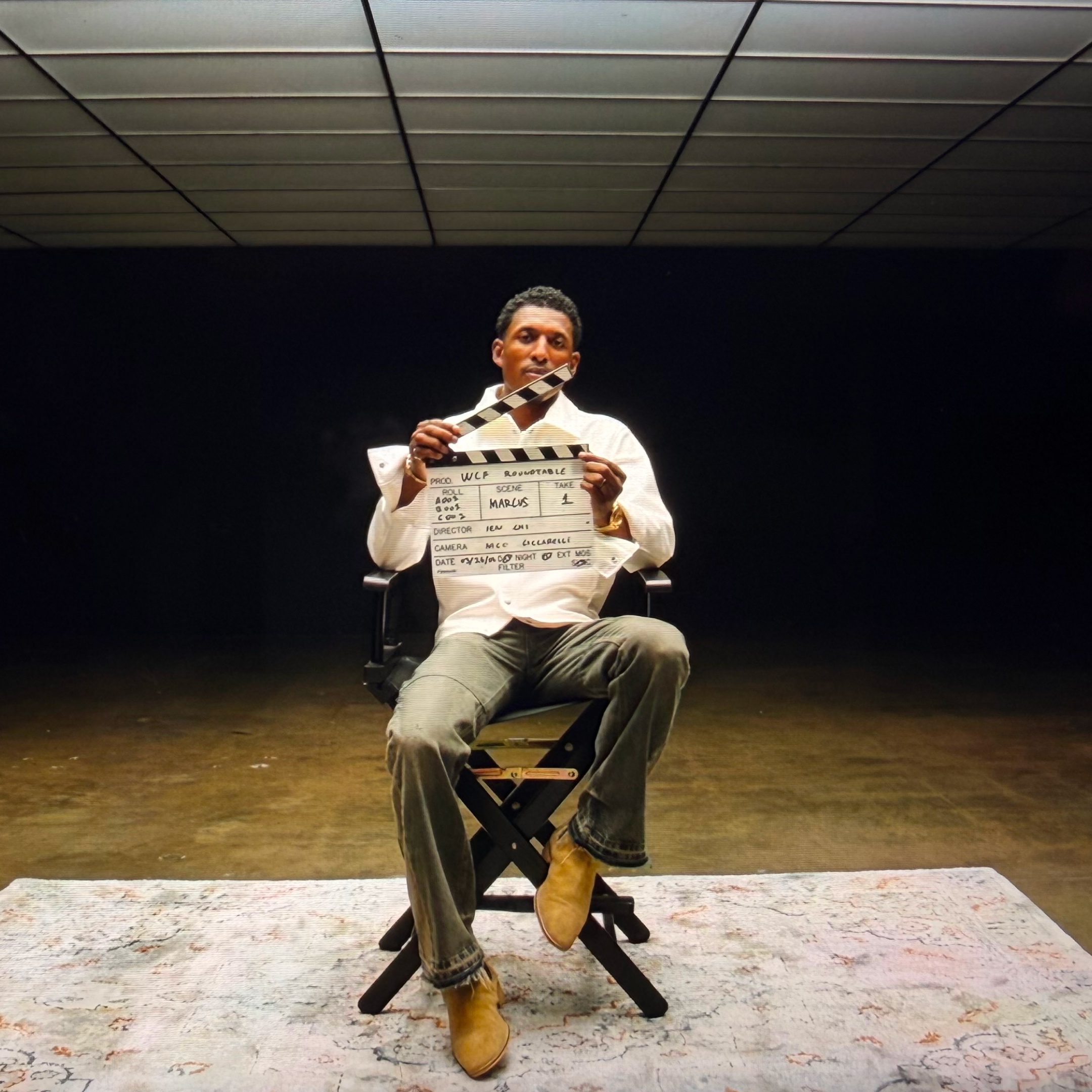


Most founders pick a lane and stay in it. Marcus A. Noel spent years refusing to, and has spent just as long watching people struggle to place him.
He has been a JPMorgan analyst, a merchandising manager, an Obama Administration fellow, a venture builder and an ordained minister, often all at once.
Today he co-leads Goshen Global Group (G3), a faith-driven venture studio and impact advisory firm for founders, investors, and creatives working at the intersection of execution, capital, and faith. He is also a Global Shaper alum with the World Economic Forum. Through G3, he has led sessions at some of the world's most prestigious forums, from Milken to Davos, Art Basel to the LA28 Olympic Games, on themes of healing, entrepreneurship and creativity.
I ask him what that costs.
"It costs you the comfort of being easily understood, he answers. Finance taught me structure. Government taught me systems. Venture taught me risk. Creativity taught me voice. Ministry taught me surrender. To the outside world, they looked like different lives. To me, they were one apprenticeship.
People will call you unfocused before they realise you are being formed. But the greater cost would have been obedience to a smaller version of myself. I would rather be abundant than legible."
He still wrestles with wanting to be understood, he admits, as most people do. But he has learned it is a poor compass for the decisions that matter.

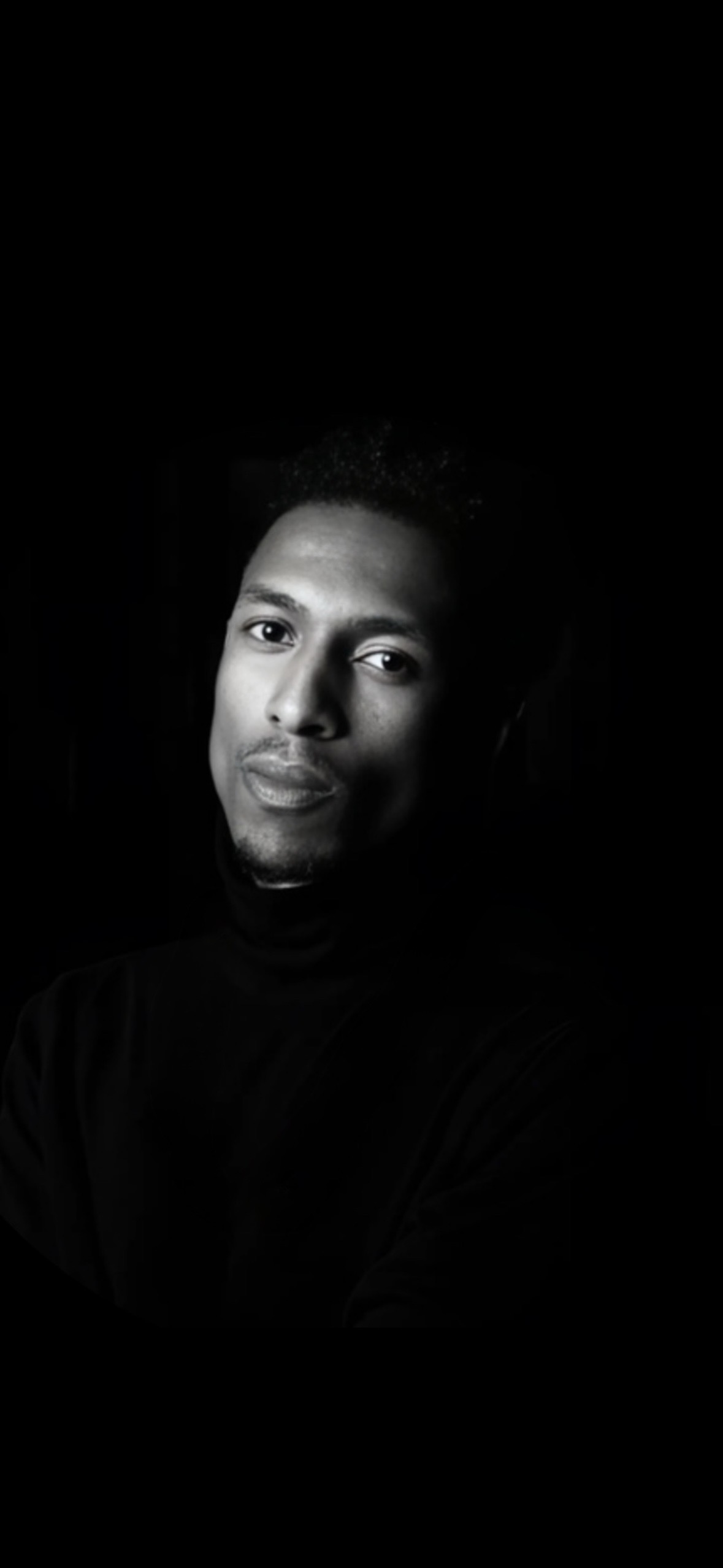
The idea at the centre of his work sounds simple until you live with it a while. Marcus calls it the shift from 3D to 5D leadership, what he describes as frequency: the operating system a leader runs on. Before I let him explain it abstractly, I ask him to make it concrete.
"By frequency, I mean the invisible layer beneath every decision a leader makes. The deeper question of what is actually driving you. Fear or alignment. Ego or truth. Leaders who never stop asking what is actually driving them keep making the same decisions and wonder why nothing changes."
So what does a 3D leader do on a Monday morning that a 5D leader doesn't?
"A 3D leader wakes up and asks: 'What do I need to control and accomplish today?'
While a 5D leader asks: 'What needs to be aligned today?'
That is the difference.
Status quo leadership is obsession with output, while conscious leadership is stewardship of energy, people, timing, capital, and truth.
Think of two leaders running the same company with the same revenue target. The first pushes harder every quarter, asking more from people who are already stretched. The second stops before each major decision and wonders: can we really carry this? Is the team strong enough? Will this still make sense in five years? Both want growth. One consumes what's there, the other builds capacity for what comes next."
That sounds admirable, I say. But most leaders are under quarterly pressure. How does a 5D leader survive in a 3D world?
"By being more disciplined, not less, Marcus adds. A 5D leader doesn't ignore quarterly pressure. They just refuse to let it become the only measure, while still demanding rigorous execution.
A 3D leader wants to know, 'How do we grow faster and make more money?'
A conscious leader wants to know, 'Can we sustainably survive the speed and resources we are asking for?'
What drives those decisions, he says, comes down to a principle that has shaped nearly every major move of his career: not all money is good money.
In the markets he moves through, attractive opportunities arrive constantly. Large transactions, strategic partnerships, seven-figure deals that land with deadlines and the pressure of not wanting to miss out. Many are financially compelling. Not all are worth saying yes to. Every opportunity passes through three filters: alignment, principles and long-term stewardship. The real test is whether it earns its place in the enterprise and legacy he is building.
He has walked away from deals that would have made him significantly wealthier, he says, decisions that cost him in the short term but kept intact something money cannot buy back.
In rooms full of wealthy people, he has seen that the most expensive thing a person can lose is the ability to look at what they have built and still recognise themselves in it.
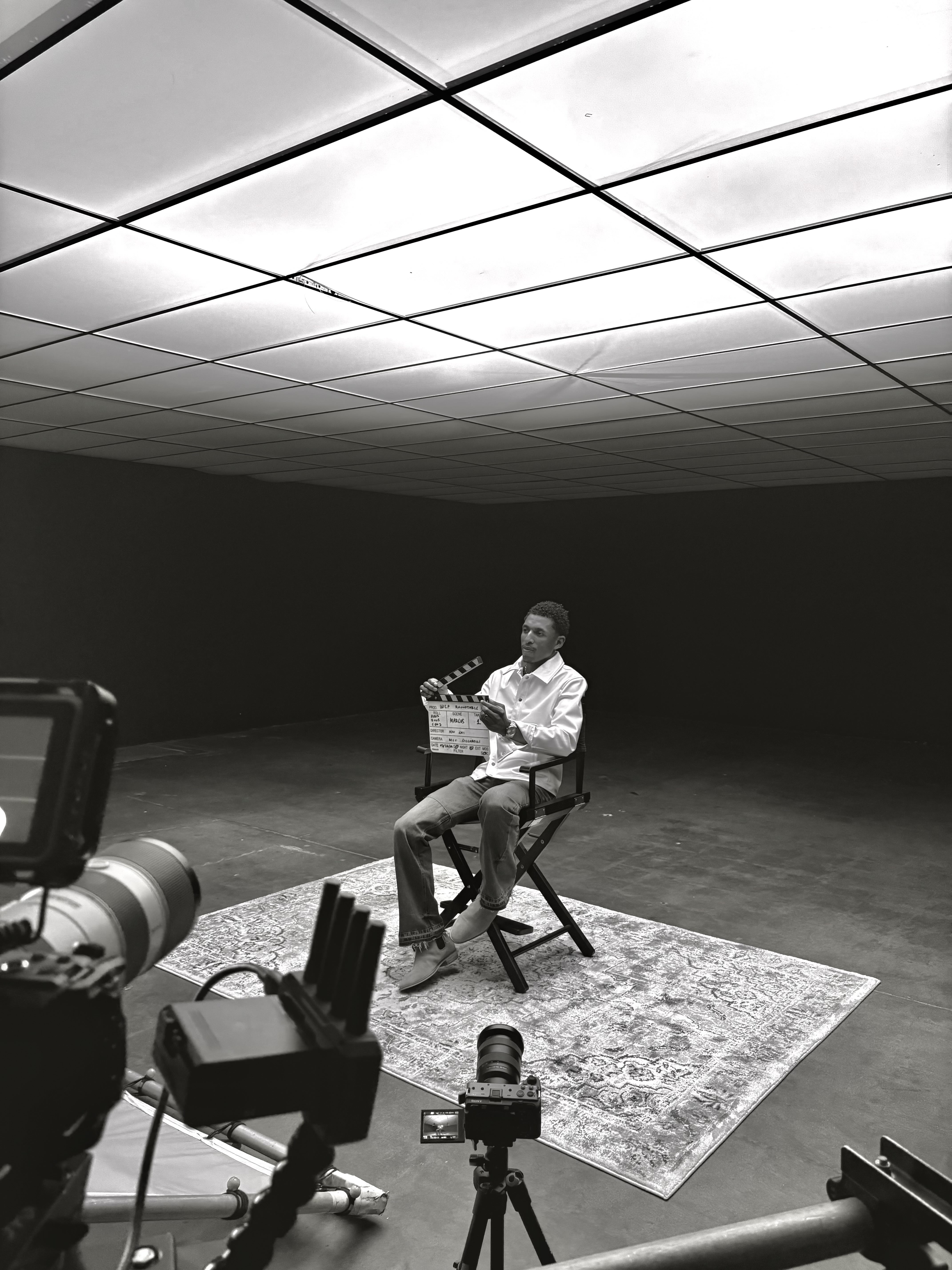
Spiritual language in business has a known tendency to say a great deal while meaning very little, a way of dressing up personal gain in the words of the soul. Marcus doesn't disagree. He calls it the right scepticism.
He is a believer in Christ, a faith-based venture capitalist and "kingdom builder" in his own words, equally clear that he has no interest in imposing that on anyone.
What do you say to the founder who wants the clarity and grounding you have found, but doesn't share your faith?
"My advice would be to start with honesty. You don't need my guidance to access the truth.
- Why are you building this?
- Who are you becoming while you build it?
- What are you using ambition to avoid feeling?
- Who benefits if you win, and who gets harmed if you win the wrong way?
I don't need someone to pretend they believe what I believe. But every founder eventually discovers that talent, capital and charisma aren't enough. There has to be a source deeper than self. Call it conscience. Call it truth. Call it moral gravity. I call Him Christ."
I ask Marcus what leadership at this frequency actually offers these generations beyond inspiration.
"Let me be clear," he says. Our generation isn't lazy. We're awake inside broken architecture. We can read the contradictions, the gap between what institutions promise and what they deliver, the loyalty they ask for and the little they give back in return, all while navigating an economic instability our parents never had to face at our age. So inspiration isn't enough. What we need is new infrastructure, a new way to think about building, earning and leading. The questions that matter are not being asked often enough.
- How do we build without burning out?
- How do we make money without being owned by it?
- How do we lead without becoming a brand version of our own wounds?
The real promise is to become the person who can carry purpose without being destroyed by visibility, pressure, comparison or success.
We cannot keep producing technologically advanced societies with spiritually disconnected people," he warns. "That equation eventually collapses. The goal isn't personal transcendence while the world burns. The goal is building systems, stories and communities that help humanity remember who we are."
What advice would you give a talented, ambitious 25-year-old founder that they won't hear anywhere else?
"Your gift isn't the same thing as your capacity. You may be gifted enough to get in rooms your character can't yet sustain.
Everybody is telling young founders to move, scale and raise fast. I understand that. But don't let the market accelerate what God is trying to mature.
Success won't change you. It will reveal you. Become deep before you become loud."
I turn his own question back on him.
What does it look like when the soul is part of the equation?
Marcus doesn't hesitate.
"Peace with power. Not peace instead of power. Peace with power.
It looks like building things that are excellent, profitable, beautiful, and spiritually clean. Wealth that doesn't compromise your beliefs, influence that doesn't require wearing a mask, and leadership that doesn't rely on domination.
Success with the soul included is alignment that bears real fruit."
Not everyone will frame it that way. Marcus knows that. But he has been inside the systems long enough to know what he didn't want to become.
He wants the next generation of founders to build without burning out, to lead without losing themselves, and to know the difference between financial success and the kind that means something.
"The future isn't just AI, biotech, crypto, or immersive media, he argues. The future is whether humanity develops the emotional and spiritual maturity to handle the power we're creating."
For Marcus, the answer is frequency. Whether or not you share his faith, that challenge is difficult to dismiss. If our technology keeps advancing faster than our character, leadership itself may become the defining crisis of the next century.
You can learn more about Marcus A. Noel here: Linkedin | METAVZN | Goshen Global Group

