This is the time when senior leaders, guided by those who are knowledgeable about AI, need to lead their organisations from the pit of despair and worry to enable each worker to understand the AI tool(s) they might need and the impact on them and their business.
Organisations have been through such seismic changes before: the advent of computers, the implementation of business-critical computer systems, the Internet, and smartphones. However, the perception is that AI seems to be arriving more quickly than the previous changes did!
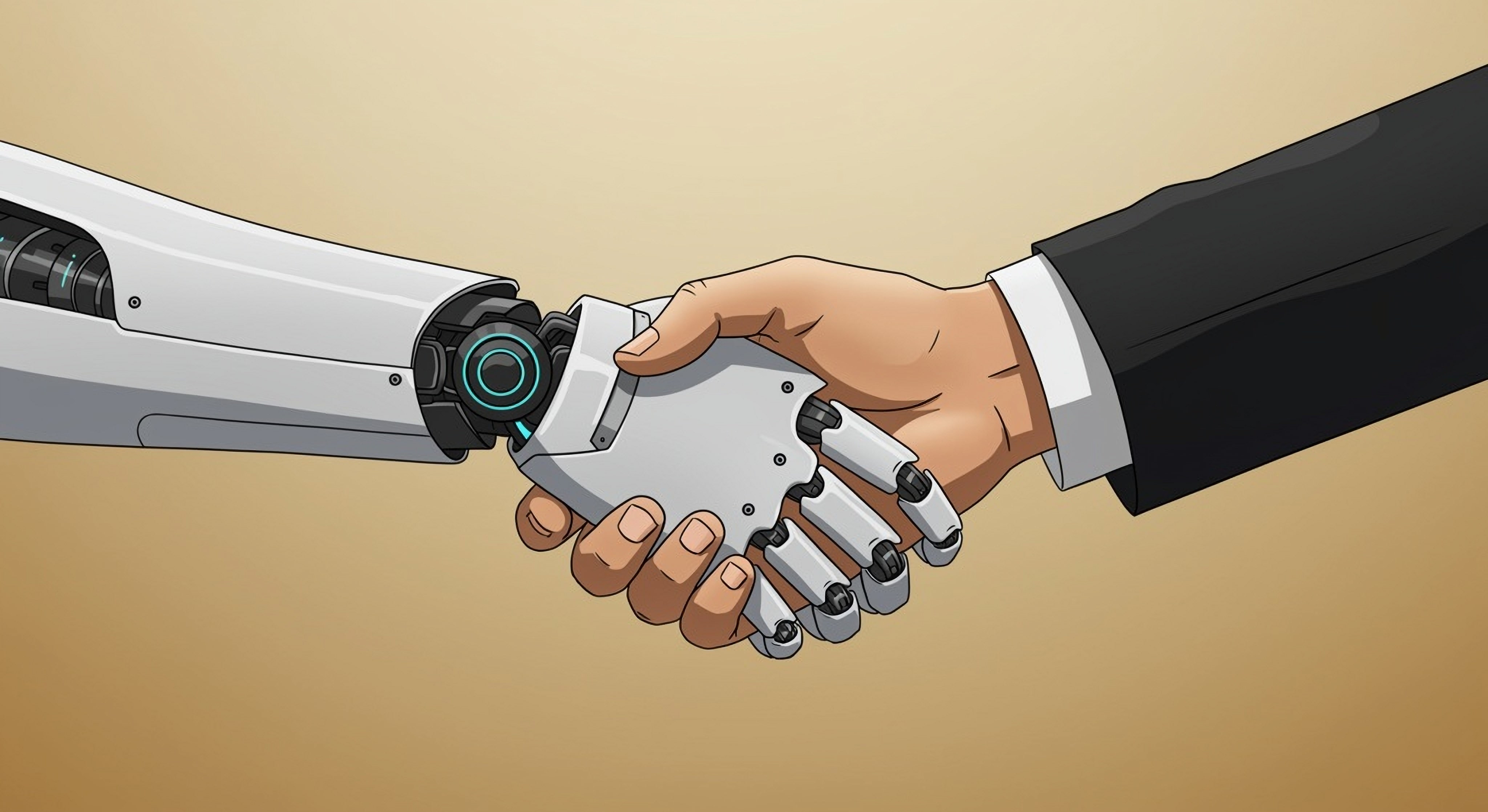
Therefore, having seen massive successful changes prompted by technology, business leaders need to use AI with the human adaptability, judgment and curiosity that are inherent in all their workers. That is not replacing workers but augmenting them with appropriate AI tools to be more effective.
Human Soft Skills Are Strategic Differentiators
Clearly, AI is an amazing tool for processing vast quantities of data, recognising patterns and for being able to automate quite complex tasks. Where it fails is in reasoning in contexts it's never been trained in, being creative, understanding human emotions and responding appropriately or knowing what the best decision is to take.
Therefore, humans are still needed to provide emotional intelligence, adaptability to context, judgment and curiosity and the drive and decision-making to get things done the best way.
The Role of AI-Driven Skills and Workforce Intelligence Platforms
A forward-looking organisation, whether a start-up or well-established, needs people who can perform those tasks that are deemed to be strategic. Therefore, AI tools that can assist with recruiting or identifying internal candidates for that task are vital.
An example of such a tool is Workday Skills Cloud, as it uses AI and machine learning to expand organisational talent pools and make job recommendations. It can highlight those internal people who are ready for the next step and help nurture their progress. In addition, it can identify future skills needs and those employees who could be available to meet those needs or be trained to do so.
Faetham AI is an AI tool that was bought by the leading learning organisation, Pearson. This tool is being used by a wide variety of organisations across the world to understand the skills they currently need and forecast requirements for the future. The tool’s link with Pearson also enables it to recommend ways to develop staff to meet future needs.
Eightfold Talent Intelligence focuses on external recruitment and enables recruiters to avoid the hassle of scheduling first interviews, as the AI can schedule a voice call itself and conduct the first interview with candidates according to the candidates’ own schedules. That interview is recorded and sent to a human recruiter along with the AI’s score for the candidate, speeding up the whole process and empowering recruiters to make the right decisions based on extensive data from the interviews.
Like the other tools, the SkyHive Skills Engine aims to help organisations understand their current and future skills needs with its real-time labour market simulation and skills taxonomies. SkyHive’s acquisition by Cornerstone OnDemand in May 2024 has made it even more useful as its forecasts can be linked to Cornerstone OnDemand’s talent management capabilities.
Given worker anxiety with changing roles or even disappearing roles, the Gloat Workforce Agility Platform could be key to many organisations, as it helps redeploy talent before automation displaces roles. It helps organisations understand where AI could be best used and how to integrate it with the human talent, either as support or as a driver to substitute for the human requirement and to allocate that human capital elsewhere.
The IBM Watson Talent Frameworks enables organisations to access over 3,000 job profiles and 2,000 skills, which allows them to build their own set of job profiles for their unique organisation. It then uses AI to match employees to roles and suggest training to develop employees to fit current or future jobs.
How Leaders Shift From Anxiety to AI and Human-Ready Organizations
The most important aspect is that senior executives believe in the reality of using AI throughout the organisation and support its use in recruitment and staff development.
Furthermore, human soft skills must be viewed as key strategic assets that are augmented by AI.
Change always brings anxiety to a workforce, so the senior team and their managers must be shown what AI can bring to their organisation and their people. With that knowledge, they have to be at the forefront of support for every member of their organisation as AI is integrated into it. Part of that process is rewarding curiosity and continuous and applied learning for the staff and senior executives.
Finally, the objectives for employing AI should have been set, and then progress checked against them so that everyone understands how AI is working for them. Ultimately, organisations that are equipped with insights provided by many of these tools and that take action will have a strategic advantage.




.jpg)