Innovative Net-Zero Building Concepts
Sitting at the intersection of design, responsibility, and longevity, innovative net-zero building concepts offer us future hope steeped in necessary values.
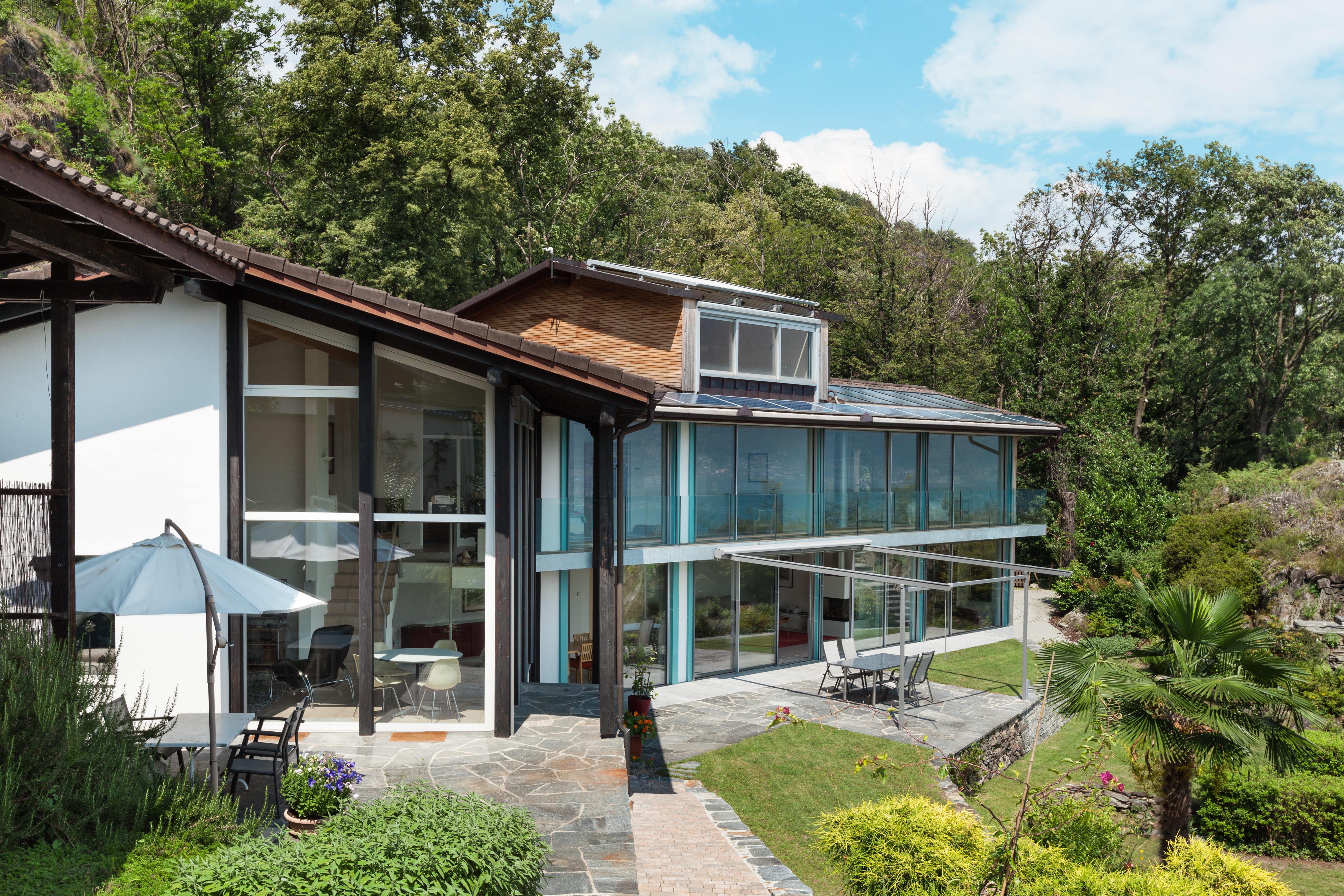
Structures built with these things in mind do more than satisfy basic checklists for sustainability or going green. They do lower energy bills and meet efficiency standards. They also lean toward permanence in ways that buildings focused on style do not. The main focus of net zero buildings comes from their intention to truly become a regenerative part of the world.
Before diving into the concepts that influence smart designers, architects, and construction teams, it is important to understand what net zero buildings are. They do not simply operate efficiently. They are planned and created from the ground up in a truly intentional way. These structures not only avoid waste but generate energy for their own function and more.
Materials are chosen for durability and sustainability from the start. Systems are designed without planned or inescapable obsolescence. The approach tends toward balance and long-term benefits rather than simply building a great-looking home or other building.
A single design choice or technology cannot create a net-zero building. Instead, they need a combination of concepts interwoven together to create a greater result. It starts with the land the home will sit on and continues up until the final inclusion of finishes and fixtures. These concepts focus on innovation and deliver results that can lead to a more regenerative future.
The more a house or other structure integrates with the surrounding landscape and environment, the easier it is to make it truly efficient and long-lasting. The placement of the building on the lot affects nearly ever aspect of how it performs. Which side should orient toward the morning sun? How does natural air flow affect the ability to harness wind energy or contribute to cooling? Questions to these answers and more affect not only general comfort, but the seasonal performance of energy saving and production in general.
When planning the building itself, things like ceiling height and window placement play a major role in efficiency. The inclusion of outdoor living spaces with shade awnings or pergolas can help insulate interior spaces. Planners balance the effects of wind, sun, water, and even the land slope itself to respect the environment rather than attempting to resist it.
Consider the following for a maximumly efficient home:
Structural efficiency and longevity come directly from the materials used to build the home in the first place. Of course, you need something durable that stands the test of time to minimize waste and the need to repair or replace things frequently. At the same time, it is important to choose options that are relatively local or easily accessible to minimize supply chain waste. Sustainable, natural materials offer the most regenerative value to the world at large. What are the main options?
Responsibly harvested wood often tops the list of reasonable options. Reclaimed timber is suitable in areas where there are a lot of options to gather it. Cork and bamboo are quick-growing and relatively eco-friendly to produce. Improve insulation with natural materials like cellulose, recycled paper pulp options, or even sheep’s wool. New innovations in concrete offer more sustainability and incredibly longevity.
Some truly innovative material options include:
Before a structure can give back to the world, it must not demand too much of it in the first place. Low demand starts with the building structure. High-quality insulation, airtight construction, and well-designed windows, doors, and skylights limit temperature fluctuations and wasted energy. The built-in systems will not have to work so hard or as long to keep things comfortable.
In the later stages of building the home, it’s important to consider the appliances, fixtures, and systems that make it functional and comfortable. Energy efficient heating and cooling are essential. Things like stoves, washing machines, and water heaters are chosen for low energy demands, too. One of the most important considerations when creating a net-zero building is a reduced reliance on automation and built-in digital systems. While there is no need to avoid all modern tech, the fewer gadgets that exist, the lower the energy expenditure.
Net-zero goals get closer with these and other innovations:
Ultimately, a net-zero building does more than save energy and lasts a long time. It has to give back to the world in true regenerative style. There is no need to go off grid completely in order to meet this goal. The electric systems offer backup and continuous comfort you need to live in a home or work in an office successfully. If your power generation systems are set up well, you can even sell power back to the grid in some locations.
All the possibilities for generating electricity depend on the natural resources available at the building location. Some spots are not suitable for wind turbines, and others will fall short of production goals even with all the roofs covered in solar panels. This is where smart planning comes in. The designers and builders of these systems must understand the positioning of the house and what will work best in the location.
Alternative energy production options improve all the time:
The most innovative net-zero building concepts begin with the earliest ideas of where to place the building and what to build it out of. In a truly regenerative world, these homes and other structures will become resources for permanent improvements. The more planning that goes into new construction and the more improvements made as time goes by, the closer to net-zero they will become.