Objects That Slow You Down & Help You Think
The world may push you to hustle and make quick decisions, but too much rush can backfire.
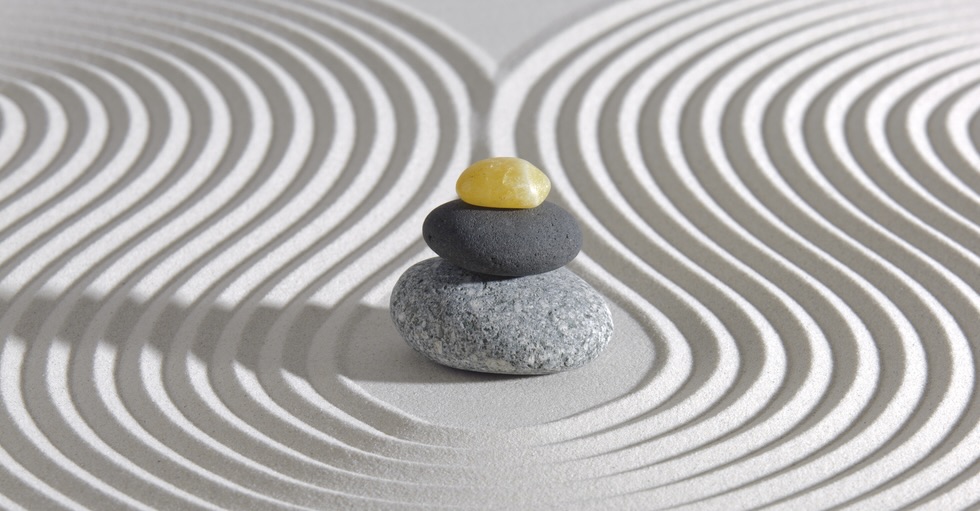
Image Source: Shutterstock
Quick is often the enemy of good when it comes to deciding what to do next in your business or personal life. While there are many methods that can help you, there are also objects you can put in your home or office that provide real benefits, too. Setting these things in your environment can slow you down just enough to allow clarity and reflection to fuel your best decision-making power.
We have built entire productivity systems around speed, and yet the decisions we most regret are almost always the ones we made too quickly. The objects described here are not solutions to that problem. They are reminders. Small, physical prompts that ask you to pause before you proceed.
Rather than using these classic timers to speed things up, try using them as meditation or deep-thinking tools instead. The gentle fall of sand or sweep of the second hand can act as a point of focus. Instead of making snap decisions, take a moment to ponder the best course of action.
The visibility of time passing changes how we relate to a decision. A digital countdown is abstract. Sand falling through glass asks something different of you. Watching the grains settle is a reminder that time spent thinking is not wasted — that is the work itself. Some of the best decisions require nothing more than sitting quietly long enough to let the noise settle.
In a world of digital efficiency, slowing down with a more tactile method of recording notes or brainstorming can help. Physical writing not only forces you to think differently, it also engages your mind in more productive ways. A heavier pen can ground you in the intentional rhythm of the process, which cuts down on impulsive decisions.
Writing by hand also creates a different relationship with what you are thinking. On a screen, words are easy to delete and rearrange until they say something you are comfortable with. On paper, the first version of a thought stays visible. That visibility has a way of revealing things—contradictions, assumptions, feelings you had not quite admitted to yourself—that a typed note rarely surfaces. Keep a notebook close not just to record decisions, but to understand how you arrive at them.
Houseplants have long been known to imbue a space with a sense of calm and relaxation. Incorporating them into your office or home can offer benefits when it comes to decision making and getting things done in general. Less stress equals more conscious and confident thought. Take a moment to look at the cool green leaves or simply benefit from the improved air quality.
Plants also have a way of orienting you to a different sense of time. They grow slowly, require consistent attention, and do not respond well to urgency. Caring for something living—even briefly, even just by noticing it—can shift the quality of attention you bring to the decisions that follow.
A pretty candle or small oil lamp introduces light and sometimes fragrance to your room. While mostly considered decorative, research exists that shows gazing at a small fire like this actually improves cognitive function. When it comes to making decisions, the boost in attention, focus, and mental flexibility can only help. Take a moment to carefully light a candle and gaze at it while mulling over the possibilities in your mind.
The ritual of lighting a candle is itself part of the value. It signals to the brain that something is shifting—that the mode of rushing has been set aside, at least for now. Many cultures have understood this intuitively for centuries. The deliberate introduction of a small flame into a space is an invitation to think differently, and that invitation is worth accepting more often than most of us do.
These tactile objects fit neatly in your hand. Squeeze, stroke, or spin them as you think about the possibilities in front of you. While often marketed to children with ADHD or other neurodivergences, they can provide benefits for everyone with a heavy mental load. Instead of diving right into making a decision, take a moment to ground yourself.
The hands are rarely idle in moments of genuine reflection. Having something physical to hold allows the rest of the mind to move more freely. If you have ever found yourself thinking more clearly on a walk than at a desk, this is part of the same principle. The body, given something small and familiar to do, stops competing for the attention you need elsewhere.
These tabletop objects work much in the same way as a fidget gadget but with much more intention. They consist of a small tray filled with sand or small stones and a miniature rake or other tools to move the sand around. Use the garden by positioning rocks and shaping the sand around them. Usually used for relaxation, the meditative outcome also helps with making decisions from a fresh perspective.
Moving sand around a small tray is a low-stakes way to practice the kind of thinking that works best under pressure—unhurried, exploratory, open to revision. A mind that is not afraid to move things around tends to approach actual decisions with the same flexibility.
The objects described here share a quality that is easy to overlook. None of them do the thinking for you. They do not produce answers or remove uncertainty. What they do is create the conditions in which good thinking becomes more likely—a slower pace, a more grounded body, a mind less occupied with the noise of the immediate.
When you add one or more of these objects to your space, you remind yourself to take a breath and focus before deciding on the best way forward. The environment you work and live in shapes the quality of thought you are capable of producing. Small, intentional changes to that environment are not trivial. They are, in their own quiet way, one of the most practical investments you can make.