The Analog Turn. Gen Z Is Logging Off, and the Data Says It Is Only Getting Started.
A generation raised on the algorithm is now setting its own terms. What the numbers reveal, and what brands and publishers are getting wrong.
by
Elena Didrigkeit
Image Source: Connor Scott McManus · Pexels
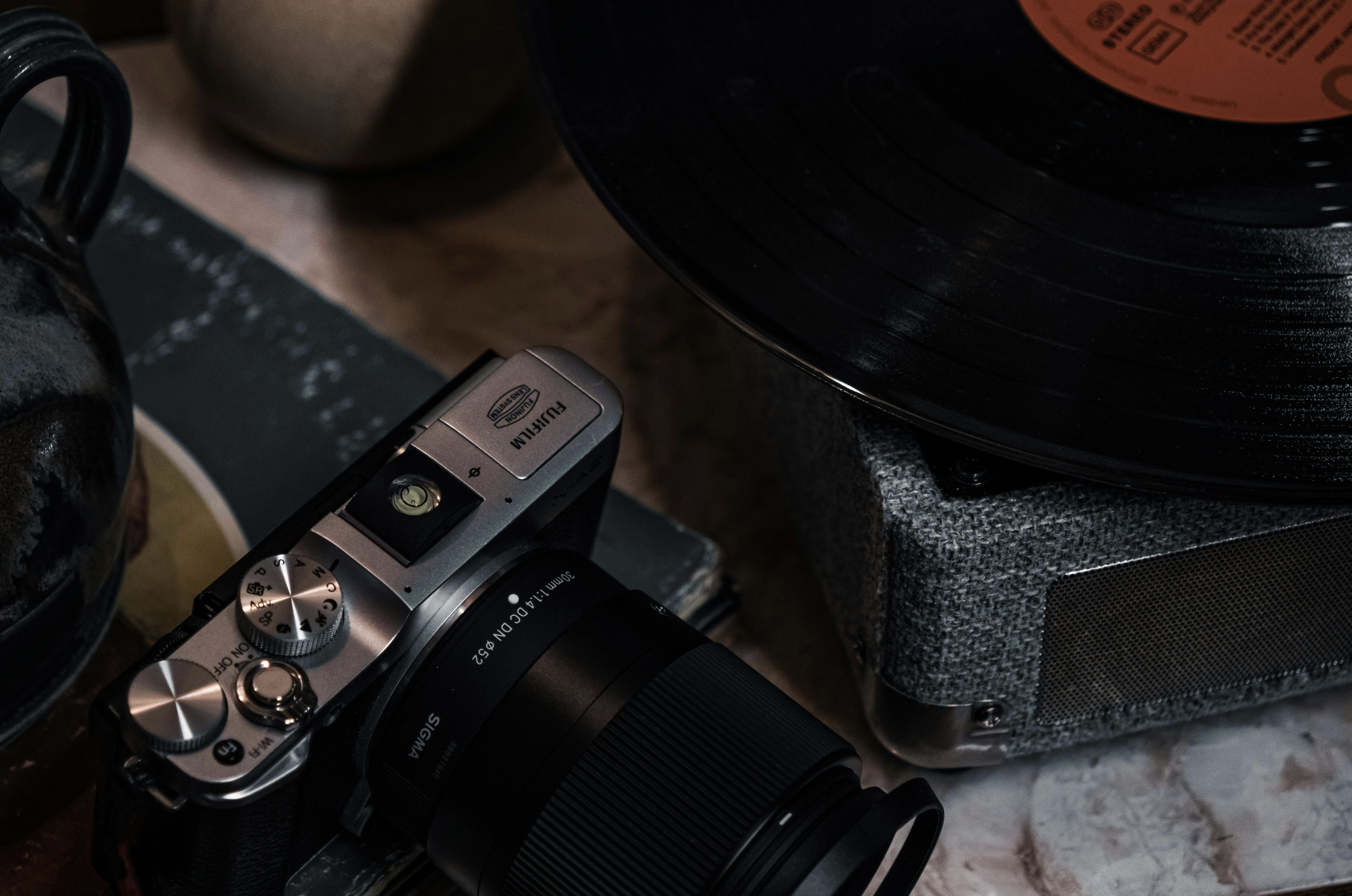
A new Precisify report, drawing on YouGov data, confirmed that 77% of Gen Z Americans are on their phones while watching television. In the same period, young people were buying vinyl records, joining book clubs, and filling what some are now calling an “analog bag”: a tote with coloured pencils, a crossword, a magazine, a polaroid camera. Going analog, they called it.
These two facts belong to the same story, which is easy to miss if you are looking at either one in isolation. Gen Z is the most media-saturated generation in history, and also the most deliberate about drawing lines within that saturation. The analog turn is a managed withdrawal from specific parts of the digital world, driven by a generation that has spent its entire conscious life inside the feed and is now, for the first time, deciding when to step outside it.
That distinction matters enormously for anyone trying to reach, sell to, or build with this generation.
What the Data Actually Shows
The numbers on Gen Z’s relationship with digital platforms in 2026 are, at first glance, contradictory. TikTok reaches 65% of Gen Z daily, yet 8 out of 10 users say they miss the early days of the platform, according to a March 2026 Harris Poll. 41% specifically cite the disappearance of genuine content, replaced by ads and brand integrations. 34% are nostalgic for material that felt unfiltered and real. The audience is still there. The trust is eroding.
Meanwhile, 11% of Gen Z now use Substack daily, a platform built on long-form writing, paid subscriptions, and the explicit promise of content free from algorithmic interference. YouTube, according to the Precisify report, reaches 83% of American teens and holds a commanding position across every device category. The pattern is consistent: platforms that give users genuine control over their own experience are gaining ground. Platforms that have optimised purely for retention are losing it.
The Precisify data, presented by media analyst Evan Shapiro at the POSSIBLE conference in April 2026, adds another layer. Among Gen Z and Millennials, TikTok has dropped below 50% in overall platform usage, now tied with Hulu. Facebook, which the industry wrote off as irrelevant to younger audiences years ago, has re-emerged as the second most-used platform among adults 25 to 44. The media landscape that brands think they understand is not the one that actually exists.
“Advertisers can no longer speak to consumers, especially younger audiences, in silos. Brands and publishers who serve the whole consumer will succeed.“—Evan Shapiro, media analyst and author of The Media Cartographer on Substack, April 2026
Not Nostalgia. Something Else Entirely.
Understanding the analog turn requires a precise definition of what it is not. This is not nostalgia in the conventional sense.
A 22-year-old in 2026 was 3 years old when the first iPhone launched. Vinyl records, film cameras and physical books are, for this generation, a first encounter rather than a return—objects that exist outside the feed, that produce no content, that go unmeasured and unseen by any platform, but are more interesting than ever.
Leslie Edelman has run a miniature dollhouse shop in Manhattan for decades. He has seen trends come and go. What he is seeing now is different: his customers are getting younger, and they are spending more. “People can create the living room they’ll never have,” he told CNBC in March 2026. It is a sentence worth sitting with. A generation priced out of home ownership is finding ownership, of a kind, in something that fits in the palm of a hand.
Political and economic uncertainty accelerates the wider pattern. Turbulence in the job market, declining home ownership rates and the rising cost of living are sending young people toward products and experiences that carry some sense of permanence and tangibility. Hobbies that occupy the hands reduce the time available for doom-scrolling, and young people are making that trade knowingly.
One researcher put it plainly: when handwriting in journals, young people do not have to perform. They can simply be honest with themselves. A generation that has been online, publicly, measurably, algorithmically scored, since before it was old enough to understand what that meant, is now discovering what it feels like to do something for no audience at all.
The Commercial Reality Behind the Aesthetic
The analog movement has attracted a legitimate critique: that it has been partially absorbed by the same consumption logic it set out to escape. Expensive tote bags. Polaroid cameras. Journaling sets in coordinated pastel packaging, marketed to people who want to spend less. The critique writes itself. Analog living, packaged and sold on Instagram. Handmade paper journals discovered on TikTok. The movement against the algorithm, optimised for the algorithm.
Print media is part of the same story, and the numbers point in one direction: independent and luxury titles are growing while mass-market publications contract. i-D Magazine returned to newsstands in 2024. Nylon Magazine resumed printing the same year. Chris Hassell, founder of print quarterly Ralph, put it plainly: “The world is being dragged down the gutter creatively by following the algorithms. The physicality of having a print magazine adds trust and tangibility to what we’re doing.” In 2026, carrying a magazine has become, for a specific subset of young consumers, a signal of taste and intentionality. The medium is, once again, part of the message.
What This Means for Anyone Trying to Reach Gen Z
The Precisify report makes one argument with unusual clarity: brands and publishers that treat younger audiences as if they exist on a single platform, in a single format, consuming a single type of content, are wasting their resources. Gen Z and Millennials are simultaneously on YouTube and TikTok, on television screens and mobile phones, inside algorithmic feeds and outside them. They are not a monolithic audience. They are the whole thing, at once, on their own schedule.
The analog turn clarifies this picture. Gen Z is not logging off. It is renegotiating its relationship with being on. The generation that has never known a morning without a phone is now choosing, deliberately and with some sophistication, which mornings it wants that phone to shape. The audiences are still reachable. The terms of engagement have changed.
For media brands in particular, the implications are direct. A generation actively seeking out depth, authenticity and content that does not feel optimised for retention is, paradoxically, a generation primed for exactly the kind of editorial products that the algorithm has made harder to find. Independent magazines. Paid newsletters. Long-form journalism that does not perform itself to death. The analog turn is not a problem for serious media. It is, if read correctly, an opening.
Reaching this generation no longer means being everywhere all the time.
It means being worth returning to when they choose to come back.
That is a higher bar than most brands are currently clearing, and a more interesting one than the algorithm ever offered.