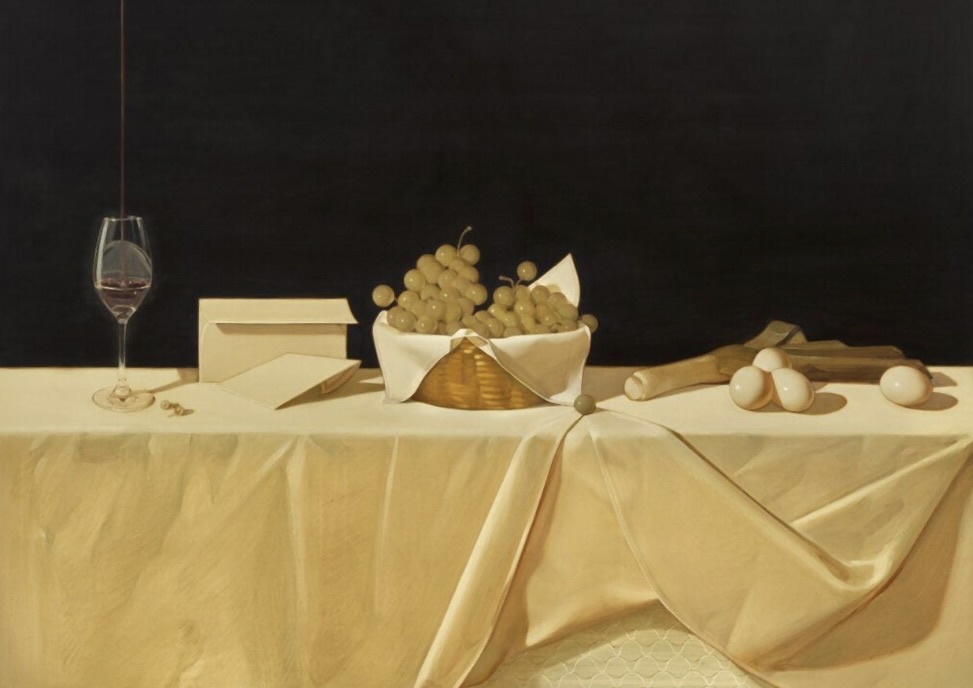
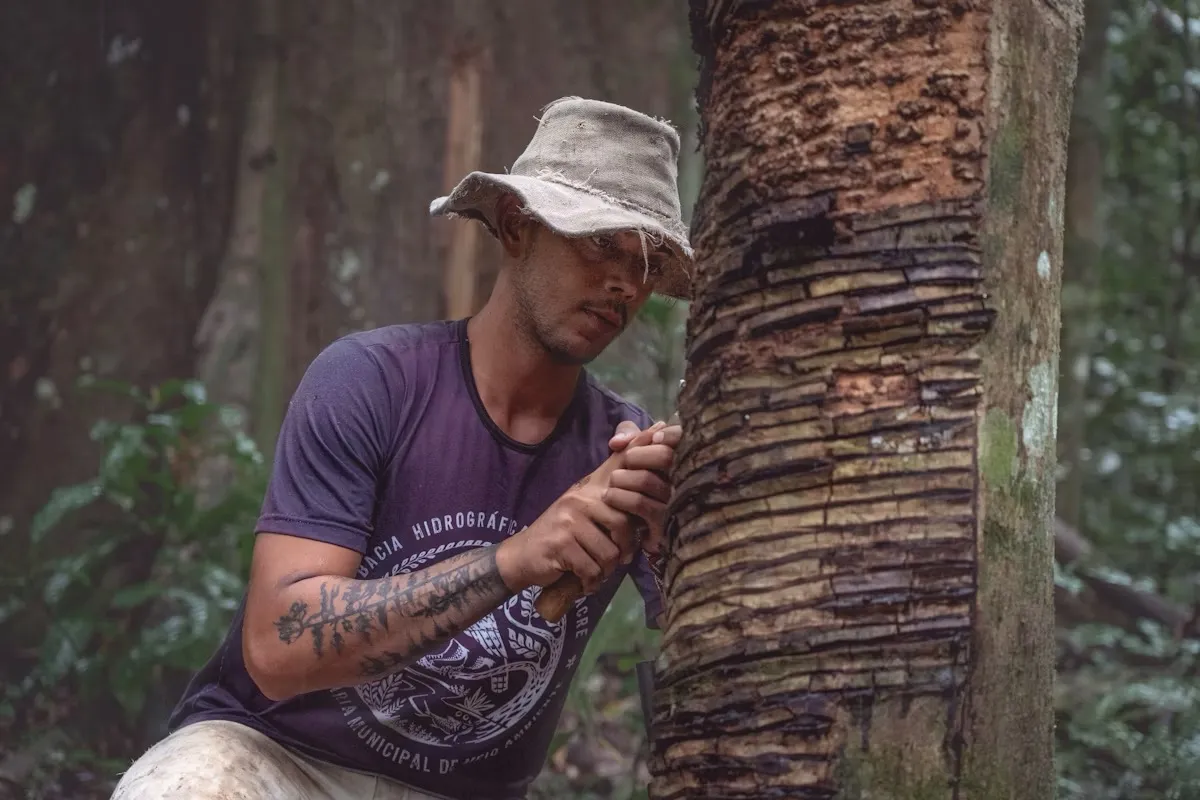
Ownership became a language of validation, a proof that we had arrived, that our place in society was secure. To own meant to control, to expand, to dominate. And yet, beneath this constant striving for more, something essential began to fade. The more we gathered and achieved, the more distant we became from ourselves and the world around us.
There is beauty in creation and ambition. To build, to design, to see our ideas take form is deeply human. But when accumulation becomes the only measure of success, it narrows our understanding of fulfillment. We begin to confuse control with confidence and movement with meaning. The constant acceleration of modern life leaves little room for reflection. Perhaps the time has come to ask whether this pursuit of ownership has truly served us, or whether it has quietly and inevitably taken something essential away.
The Pause Between Having and Being
We are beginning to live in a new age that demands a different leadership. Economic uncertainty, environmental instability, and emotional fatigue are all signals that something is shifting. Many of us sense it without yet knowing what it means. Those who sense it are tired of pretending to be okay.
Maybe what we need is a collective call to pause and reflect on the direction we are moving toward, and on how we wish to begin our path of stewardship. What if strength is no longer measured by how firmly we hold on, but by how gently we let things be? What if real success is found not in control, but in sincere care?
To step into stewardship is to recognize that nothing truly belongs to us, and that nature does not belong to us either. The land, the capital, the influence, even the ideas we cultivate are all borrowed, entrusted to us for a time. Nature gives, expecting only that we tend and protect before passing things on. When we live this way, we begin to understand that our role is not to own life, but to live in alignment with it.
Redefining the Meaning of Power
Stewardship invites us to redefine the very meaning of leadership. Control gives way to responsibility, ambition to continuity, and ownership to participation. The steward does not seek to dominate but to nurture. Leadership becomes an act of care, expressed through the willingness to serve something greater than oneself.
In finance, regenerative capital is beginning to value long-term well-being over short-term gain. In leadership, empathy and emotional intelligence are emerging as true measures of strength. In geopolitics, nations are awakening to the realization that economic supremacy without ecological balance leads only to fragility and decline.
From Ownership to Stewardship
The movement from ownership to stewardship is not merely economic or environmental; it is a transformation of consciousness and a revolution of values. To live as a steward is to understand that care is the most enduring form of influence. What we protect gives back to us. The soil we nurture becomes more fertile. The company we guide with integrity becomes more trusted. The communities we invest in become more resilient.
Through stewardship, we rediscover that life flourishes through reciprocity.
The Strength of Care
Stewardship teaches us to hold things lightly and to recognize the impermanence of all we touch. It reminds us that the essence of leadership lies in humility, not control. When we learn to care for what has been entrusted to us, we begin to heal the disconnection that has defined our age.
What we care for, cares for us in return. In that exchange, life continues to renew itself. It asks for nothing but our attention, and gives back more than we could ever own.