When Food Became Luxury
And why our generation is the first in decades to find out the hard way.
.jpg)
Image Source: Ron Lach · Pexels
There is a photograph circulating right now that would have seemed absurd ten years ago. Hailey Bieber, dressed in designer, cradling a bundle of fresh produce like it was a Birkin bag. Carrots. Tomatoes. Lettuce. Styled. Lit. Aspirational.

And somewhere in the UK, a supermarket employee is unlocking a glass case so a customer can access a block of cheese.
These two images belong to the same story. A story about what our generation is being forced to understand, for the first time, that access to fresh produce is the oldest luxury in the world.
In 2014, Moschino collaborated with McDonald's. Models like Kendall Jenner and Gigi Hadid posed celebrating a greasy pizza. The It-girls of Instagram clutched fast food cups with acrylic nails and made junk food look like the coolest thing you could possibly consume. The message was deliberate: we are rich enough to eat this without consequence. Junk food was ironic, playful, a wink at the camera. It said: we are so untouchable that even empty calories can't touch us.
It worked because the economy, at least on the surface, was working. Grocery bills were manageable. Fresh food was boring. Abundance was the backdrop, so scarcity was chic.
Brexit began upending British food costs almost immediately after the referendum on 23. June 2016. Seven years later the consequences were impossible to ignore. According to the Office for National Statistics, food inflation peaked at 19.2% in March 2023—the highest annual rate seen in over 45 years. And as the House of Commons Library documents, over the three years between 2021 and 2024, food prices rose by 30.6%—a cumulative increase that had previously taken over 13 years to accumulate. Eggs became a household budget conversation. Butter crossed the psychological threshold of £2, then £3, then kept going.
The British Retail Consortium reported that between 2023 and 2024 retail theft reached £2.2 billion—an all-time record, up from £1.8 billion the previous year, with over 20 million incidents logged across England and Wales—more than 55,000 per day. Not jewellery. Not electronics. Food.
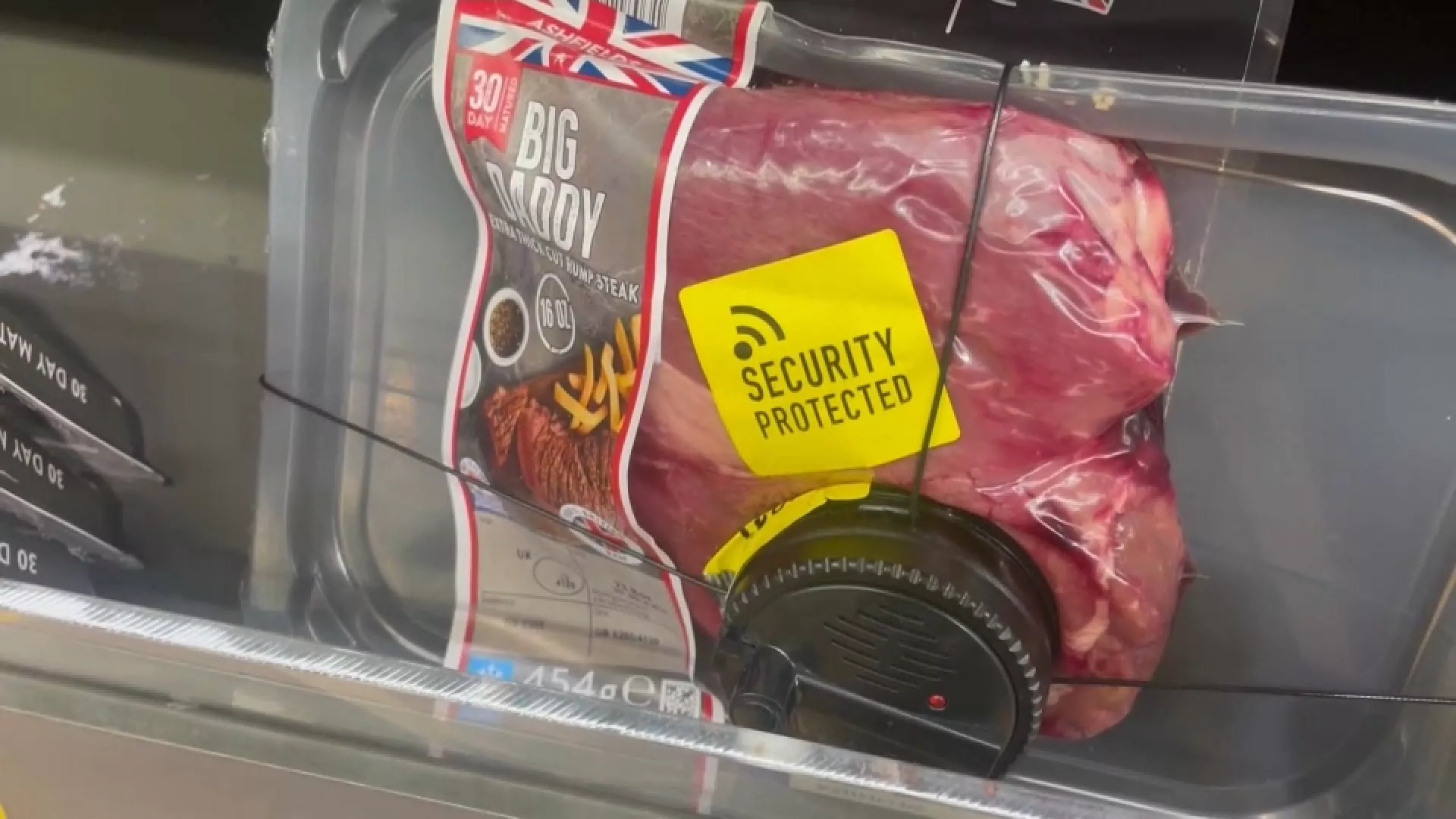
Shrinkflation—the quiet art of making products smaller while charging the same price—became so rampant that the UK government launched a public consultation on it. Supermarkets began locking up not just alcohol and razor blades, but meat, cheese, baby formula, cooking oil. Everyday items disappeared behind locked glass panels, tagged like electronics, surveilled like valuables.
When a £6 block of cheese requires a security tag, something has fundamentally broken.
In the United States, inflation was a political talking point. A dinner party complaint. The grocery bill had gone up, yes. But the cultural story was still one of abundance. Uber Eats. Whole Foods. Avocado toast as shorthand for a generation that had never known real scarcity.
Then came 2025. Trump. And the tariffs.
A sweeping package of trade tariffs—on goods from over 180 countries—began moving through the American supply chain with the slow, inevitable weight of a freight train. Economists warned that a standard American grocery shop could increase by 20% to 30% within months. Products dependent on imported goods—olive oil, coffee, cocoa, certain fruits and vegetables—faced price hikes that many households had no framework for absorbing.
The Americans who had watched British friends complain about food costs and felt quietly grateful for their own abundance were now standing at their own checkout counters doing arithmetic. Putting things back. Choosing between the chicken and the salmon. Learning, for the first time, what it feels like when a carton of eggs is no longer a given.
When fresh produce becomes scarce, it becomes symbolic. A brand that aligns itself with fresh produce is no longer selling health. It is selling access. The asparagus on the mood board is the new Chanel.
Our grandmothers knew this. In post-war Europe, in the depressions of the last century, in every economic contraction in recorded history—real food, simple food, fresh food was the thing that separated those who had from those who did not. A piece of fruit was a gift. Meat was for Sundays. A table full of vegetables was not a lifestyle choice. It was wealth.
Generations before ours understood instinctively that food is the most honest measure of a society's economic health. When you can eat well, life is good. When you cannot, nothing else really matters.
We, the Millennials and Gen Z who grew up scrolling through abundance, are learning this for the first time. From our own grocery bills. From our own anxiety at the checkout. From the quiet arithmetic of deciding what stays in the basket and what goes back on the shelf.
So do I. I buy the same things every week now. The same vegetables, the same cuts of meat, the same brands. The optimistic purchase has quietly disappeared. What goes into the basket is what gets eaten. The tomatoes that go a little too soft get cooked down into a sauce. My grandmother would have called this common sense. My generation used to call it boring.
Junk food was the aesthetic of a booming economy performing relatability. Fresh groceries are the aesthetic of a struggling economy performing abundance. The mirror does not lie. What the influencers are holding tells you more about the state of the world than any headline.
A ripe peach. A bunch of basil. A simple roasted chicken. Things that used to be ordinary. For more and more people, they no longer are.
We were raised on the myth that abundance was the default. That the challenge of food—the real, historical challenge of simply having enough—was a past-tense problem. Something solved. Something our great-grandparents worried about, not us.
We are learning, slowly and uncomfortably, that it was never solved. It was just paused. And the pause is over.
The locked cheese cabinet is a symbol of scarcity returning to places that forgot scarcity was ever real.
And the photograph of Hailey Bieber with the fresh produce? That is the oldest luxury in human history—the luxury of simply having enough to eat—being sold back to us as a trend.
Perhaps Moschino already knew. For their Spring 2026 collection, the same house that once put McDonald's on the runway released a bag designed to look exactly like a supermarket pack of fresh apples sealed in plastic, priced out of reach. The joke, if it ever was one, is no longer funny.
And it is no coincidence.
Brands have long understood that food triggers desire more reliably than almost anything else. Fresh produce does not just signal health anymore. It signals wealth, access, aspiration.
The brands selling it back to us know exactly what they are doing.