What the slowdown reveals about trust, taste and things made well.
Elena Didrigkeit
November 16, 2025
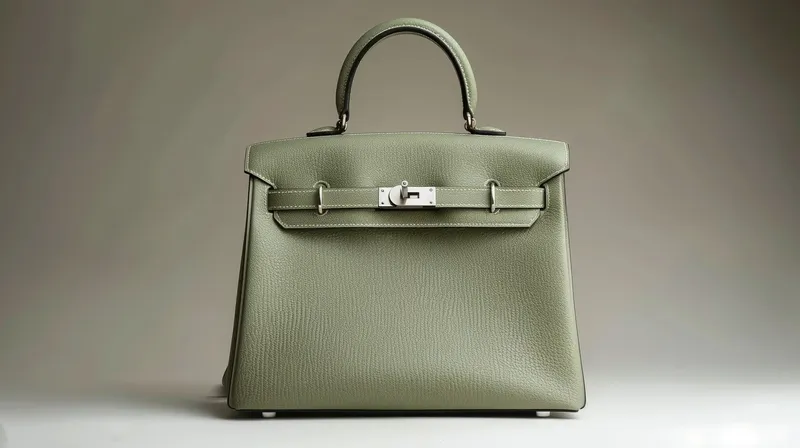
Hermes Kelly 32
There are moments in culture when something subtle breaks. Often it begins as a whisper of doubt, a shift in the collective taste that we can feel but not yet name. And sometimes it erupts through a single story that exposes a truth we have looked away from for too long.
The Hermès scandal in early 2025 was one of those moments. A brand built on the mythology of craft, rarity and hand-stitched devotion suddenly stood accused of outsourcing work to factories that produced the same iconic shapes for a fraction of the price. Luxury lost its protective halo. A door opened and people stepped through.
The internet began buying playful imitation bags, proudly calling their Hermès-lookalikes “Furkins” — a mischievous, almost affectionate name for an illusion that had finally fractured. Others openly shared videos comparing their five-figure purchases to nearly identical versions bought in China for the manufacturing price of six hundred to one thousand dollars. The visual similarity was uncomfortable. The emotional truth behind it was even more so. If a symbol of exclusivity can be replicated with such precision, then perhaps the symbol is not what made the object valuable to begin with.
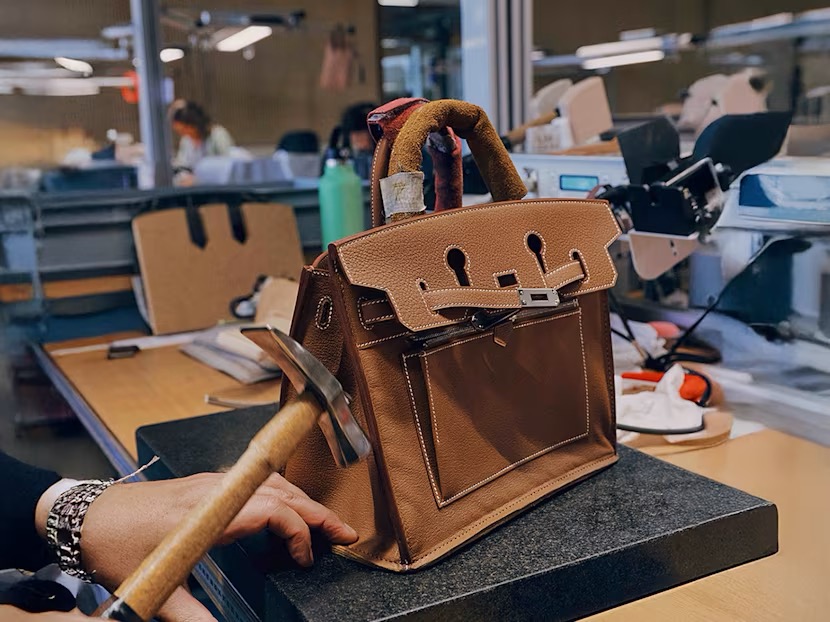
Image courtesy of CNA Luxury, “How Hermès crafts its iconic bags by hand: Inside the maison’s new leather atelier in France”, 27 October 2025. Photo: Yann Stofer / Hermès.
Loro Piana reacted by disabling comments across social media, a gesture that revealed as much as it hid. A brand known for whisper-level luxury suddenly found itself unable to hold the conversation. A single thread began to unravel, and with it the question of what luxury means at a time when the world is increasingly aware of how things are made and by whom.
The Illusion of Exclusivity
The shift was inevitable. We had been circling it for years yet hesitated to name it. Rising prices, declining craftsmanship, queues outside flagship stores, logoed pieces that traveled more through airports than ateliers. Beneath it all grew the suspicion that the promise of luxury had drifted away from the practice of it. When every third person seems to carry the same bag or wear the same high-end bracelet, the aura fades. The exclusivity begins to feel uncertain.
This is not about condemning the desire for beautiful objects. It is about recognising that the meaning of luxury changes when it detaches from quality. A Birkin, a Cartier bracelet, the softness of Loro Piana cashmere: these pieces once carried the weight of human touch. They were slow to make, difficult to source and passed through the hands of artisans who knew how to coax beauty out of raw materials. At its core, the craft was the essence.
When luxury forgets quality, it becomes decoration, a mass performance of aspiration, a cycle of consumption that is neither sustainable nor meaningful. The rise of imitations, especially in the difficult economy we currently live in, is a mirror held up to the industry itself. If the original no longer feels anchored in craft, then what exactly are we being invited to pay for?
The Slow Return to Meaning
The deeper truth is that genuine luxury rests on restraint, on patience and on the resilience of things made well. It does not compete but unfurls like a flower confident in its own beauty. It honours the rhythm of the seasons and the consumer alike by recognising that cost goes beyond price and that beauty without skill is only an illusion.
The current slowdown in the luxury market is not a crisis but a turning of the tide back toward meaning. People are beginning to see through the illusion and are asking meaningful questions:
Who made this?
How was it made?
Why does it cost what it costs?
What does it add to my life beyond a photograph and a momentary thrill?
The scandal revealed a truth that needed to surface. When the price of an object rises while the care behind it falls, people inevitably feel the contradiction and look again toward self-sufficiency. A market can overlook that tension for a time. A culture cannot.
Luxury Remembering Itself
Perhaps this is the beginning of something healthier. A return to the real luxury of things made well. A return to substance and a recognition that the most precious objects are not always the most expensive but the most considered. And a reminder that the truest form of rarity is always quality.