Some places stay with us long after we have left them. For me, that place was the countryside of my childhood, where freedom lived in the tall grass, in the open fields and in the presence of the pervasive sky.
Elena Didrigkeit
November 23, 2025
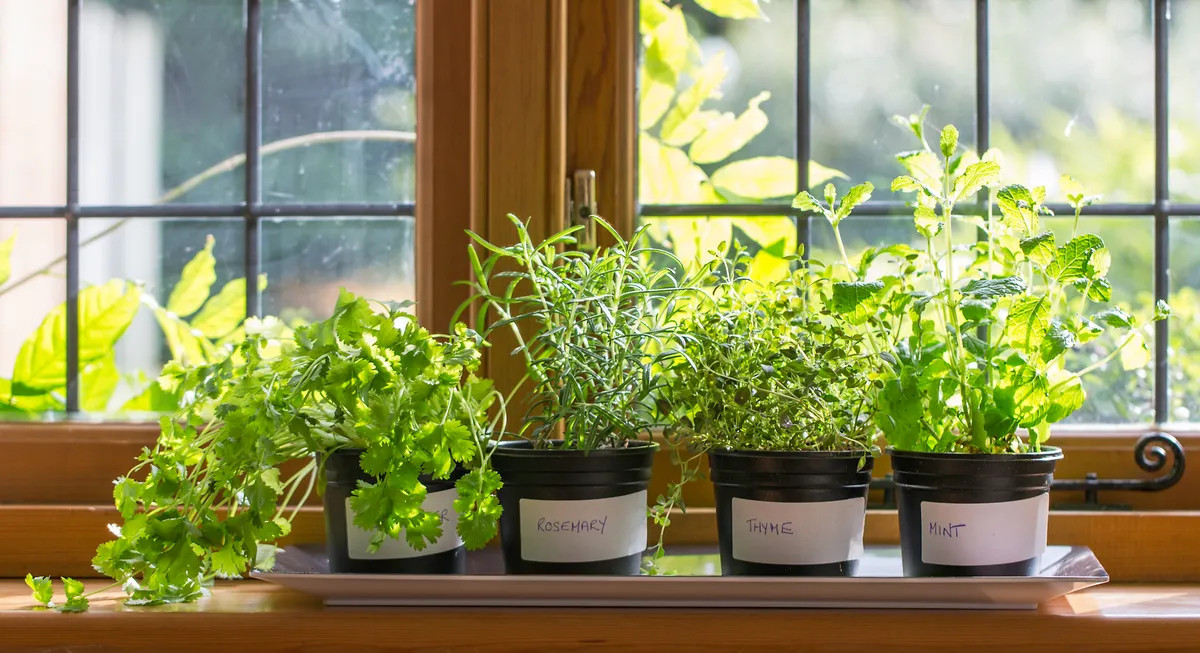
Herbs in windowsill.” Lawrence Journal-World, January 3, 2016
There was no rush, no structure imposed from outside, no looming sense of a future one had to chase. Life unfolded at the pace of the seasons and felt richer for it.
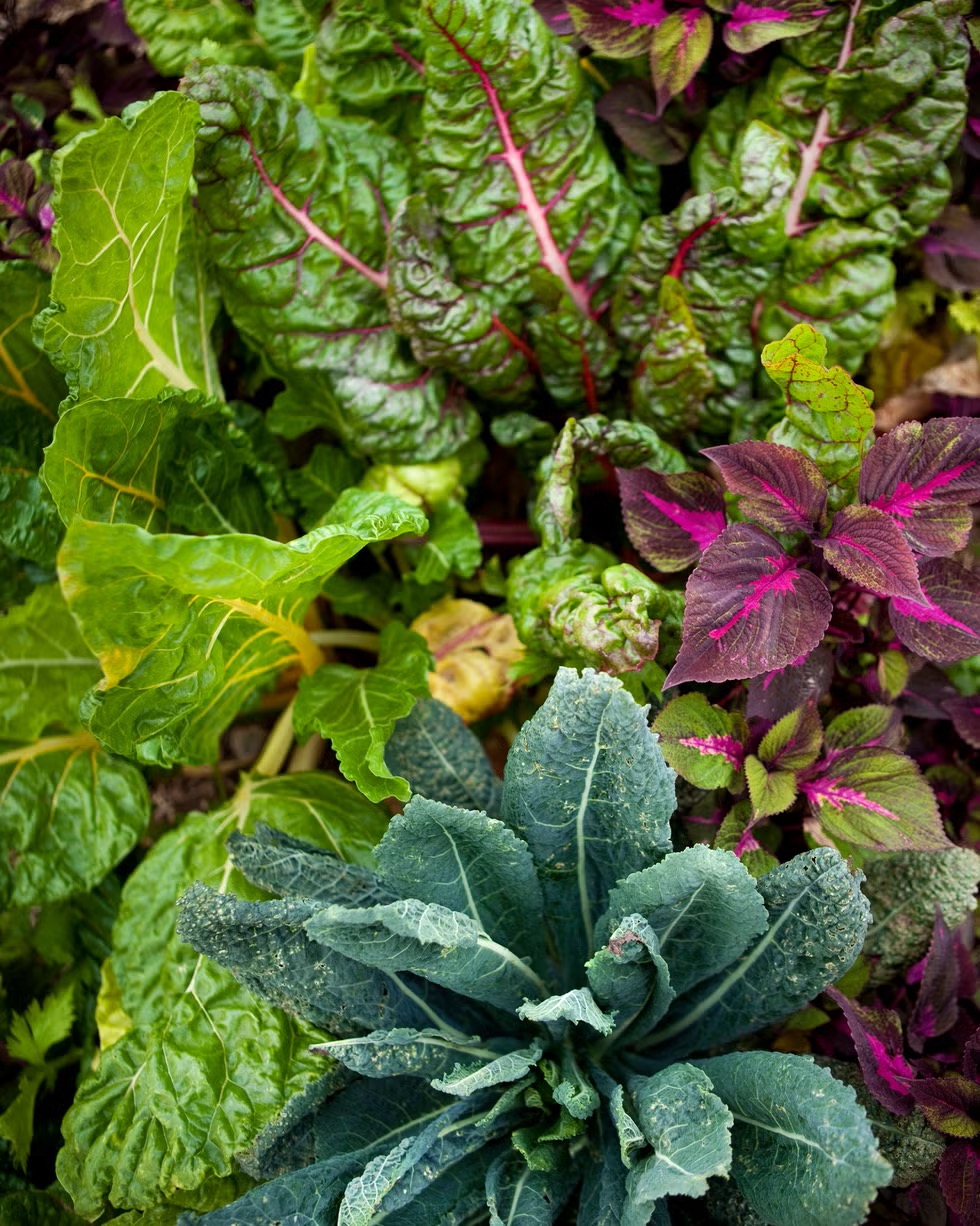
My mother’s garden lay at the heart of this world. Rows of vegetables, bright berries and the scent of freshly turned soil shaped my earliest memories. She loved the work and taught me how to care for the plants with patience and attention. Her flower garden was her pride, a small pocket of colour that strangers admired as they walked past our house.
Each spring we planted potatoes in long straight lines and each autumn we dug them up again. As a child the harvest felt endless and I often wished to be elsewhere. Only later did I understand the discipline it instilled: the patience to show up, the humility to follow nature’s timing and the acceptance that meaningful work takes the time it takes.
Animals as Silent Guides
Among all the animals we cared for, the cows often left a lasting impression on me. They spent their days grazing under the watch of the local cowherd and returned home in the evening without our needing to call them. They moved toward the barn with an unhurried certainty and waited by the gate for us to open it. These animals understood their place in the world. They trusted themselves within it in a way that many adults today struggle to recover.
Life in those years felt spacious. There was no pressure to make every moment productive and no need to worry about a distant future. Out of that simplicity grew an inner steadiness. Nature teaches resilience long before we have words for it. If you neglect the garden it shows. If you ignore the signs of the season winter corrects you. The earth does not dwell on what went wrong. It constantly invites you to begin again.
When Life Loses Its Natural Rhythm
Today many of us feel disconnected from this grounded way of living. We visit nature only when time allows and treat it as a short escape instead of a relationship. The rest of our days are structured by work, expectations and the constant noise of digital life. Even sustainability, with all its good intentions, has become difficult to access for those who simply want to live more consciously. Its language can feel distant from the simplicity of living in harmony with the world.
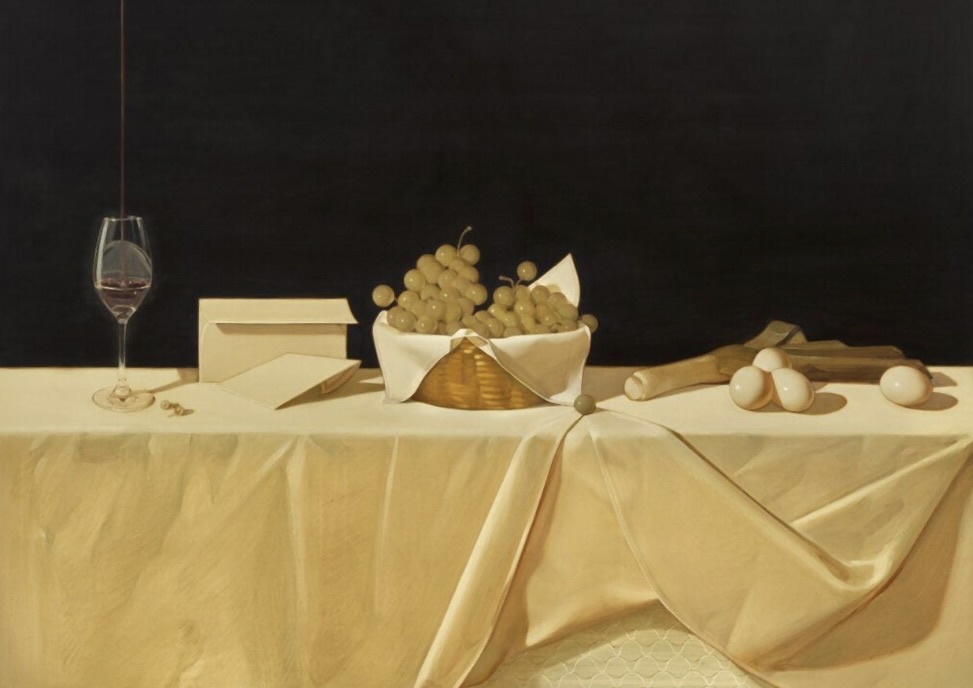
Image Credit: VERANDA Magazine
A self-sufficient life does not need complex ideas or dramatic changes, only a simple insight that we will never be able to outsmart nature. The moment we stop trying to control her and allow ourselves to follow her lead something inside us begins to change in an incredibly conscious way.
We start to develop a sense of genuine gratitude. Gratitude for what we already have, for the health that carries us through the day, for the small place we call home and for the ability to improve our life and the lives of others in steady, simple ways. Gratitude softens the mind and creates space for renewal. And in this space self-sufficiency begins to unfold.
A Return to Self Through the Earth
Moving toward self-sufficiency is not about perfection nor is it always restraint. You are absolutely allowed to live a beautiful life with things you want to have, goals you want to achieve. You just become more attentive to life around you, to its meaning, intentional and somehow still luxurious. You start to feel the confidence of your abilities, you start to see what you are able to create with your own hands.
Create a Personal Provision Ritual
Choose one everyday item you can prepare yourself. It may be a small garden on your windowsill, a loaf of bread, a tea blend, a jar of pickled vegetables or a simple herbal oil. Let the preparation become a small ritual. Let it have its own pace. Over time this act of making rather than buying strengthens the feeling that you can care for yourself in essential ways.
Observe the Natural Clock Around You
Select one element of nature near you and let it guide you. It may be a tree outside your window, the way morning light moves through your home or something else you admire. Notice how it changes with weather and season. When you tune into even one natural rhythm, your own begins to feel steadier.
This awareness is the foundation of self-sufficiency because it reconnects you with the world you inhabit.