The Generation That Can't Be Fooled. What That Means for the Future of Culture and Luxury.
I am 22 years old. I have grown up online. I watched brands pivot, celebrities cancel, movements rise and collapse, and entire aesthetic cycles complete themselves in under four weeks.
by
Ruby Olmstead
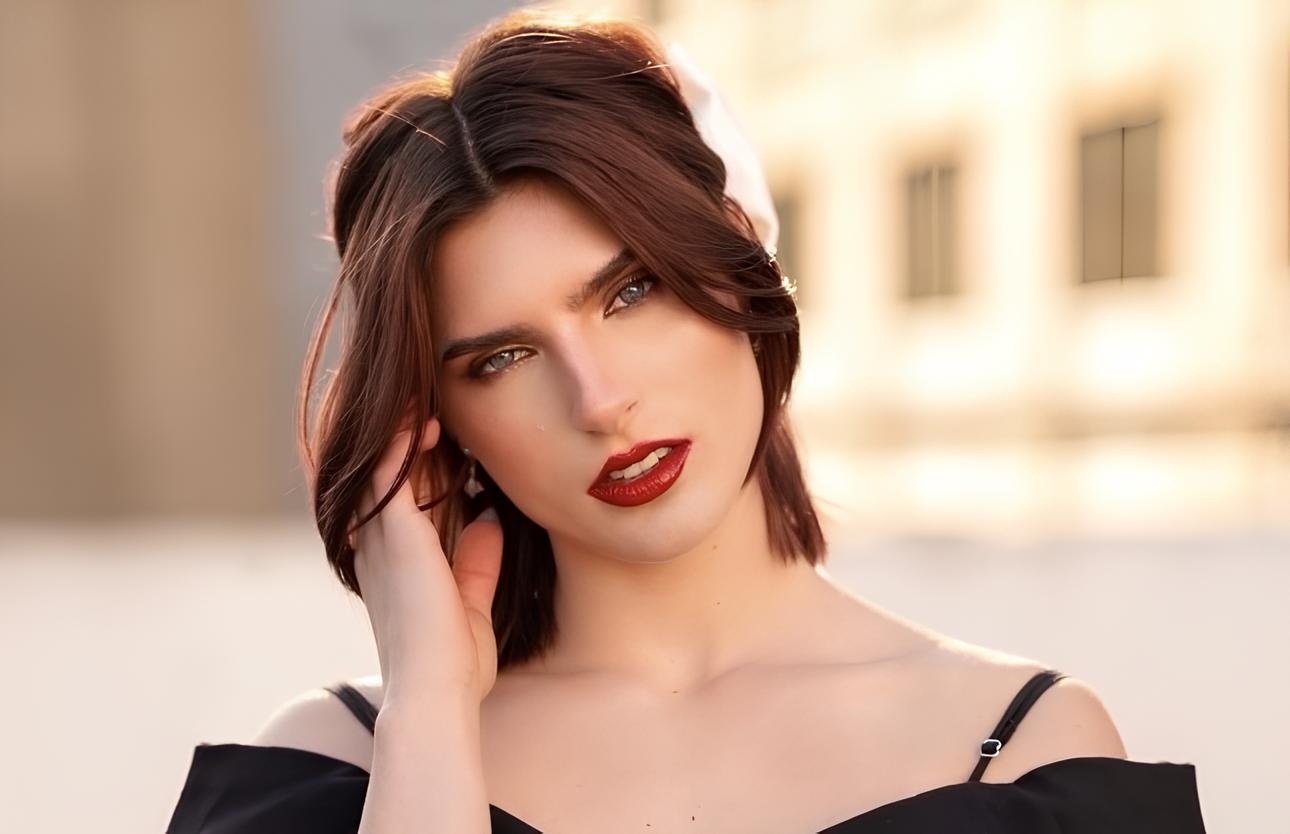
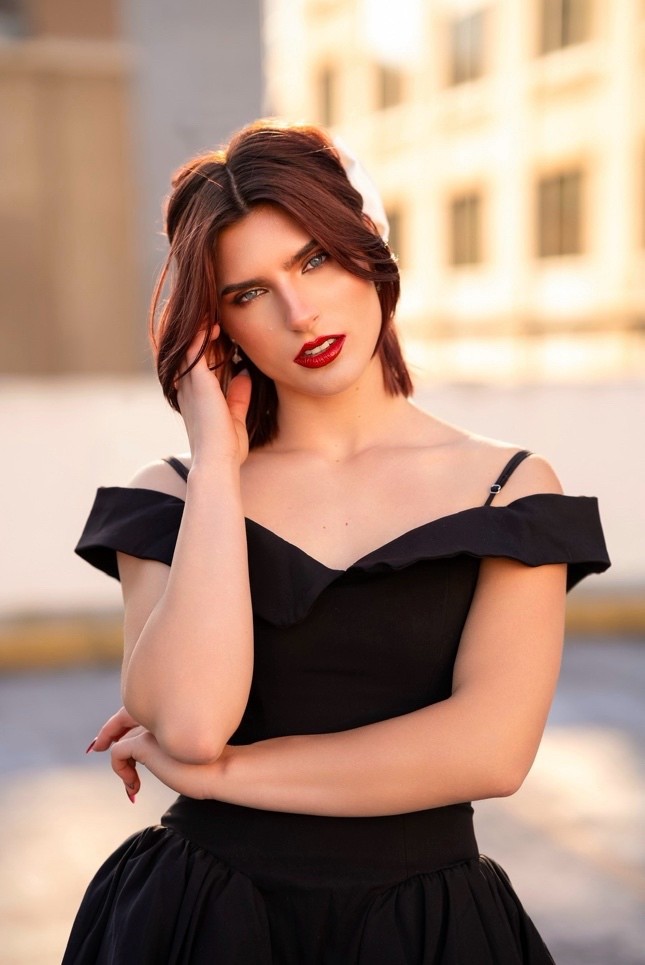
Image Courtesy of Ruby Olmstead
By the time I was old enough to have a real opinion about the world, I had already seen enough of it to know when something isn’t real.
That’s not cynicism. That’s calibration.
There’s a narrative about my generation that I think gets it wrong. People say Gen Z is jaded, disengaged, impossible to reach. What I’d argue is the opposite. We are one of the most engaged generations in recent history, but our threshold for what earns that engagement has shifted entirely. We don’t respond to performance. We respond to proof.
Radical Transparency Is Not a Strategy. It’s a Requirement.
Luxury has historically operated on mystique. Distance. The brand as an untouchable icon. That model worked when consumers had limited access to information and even less access to each other. It doesn’t work anymore, not with Gen Z, and increasingly, not with anyone.
We grew up watching the gap between image and reality collapse in real time. We saw what fast fashion’s “aspirational” aesthetic actually cost: the workers, the rivers, the landfills. We watched wellness brands sell healing while exploiting the same insecurities they claimed to treat. We learned, early, to look past the surface.
What earns trust now is the willingness to be seen fully. Not the curated highlight reel. Not the polished brand story. The process. The uncertainty. The “I don’t have this figured out yet but here’s what I’m finding.”
This is why some of the most influential voices in culture right now aren’t celebrities or institutions. They’re individuals documenting something real in real time. The transparency isn’t a tactic. It’s the whole thing.
Adaptability Is the New Loyalty
Previous generations built identity around stability. A career, a brand, an aesthetic: you picked one and committed. Switching felt like failure. Pivoting felt like weakness. Consistency was the whole performance.
Gen Z grew up watching that model collapse. We saw brands that refused to evolve get left behind in real time. We watched cultural figures hold rigid positions while the world moved and lose everything. We learned that the inability to change isn’t strength. It’s brittleness.
Aesthetic cycles now complete in weeks. A trend can be born, peak, and become a parody of itself before a brand’s creative team has had a single briefing meeting about it. In that environment, the brands and creators who survive are not the ones with the most polished fixed identity. They are the ones who can read a room, respond to what their community actually needs, and evolve without losing the core of what they are.
For Gen Z, adaptability isn’t a compromise. It’s proof of life. A brand that never changes is a brand that stopped listening. And we notice immediately when something is performing consistency rather than actually being present.
You earn ongoing Gen Z trust not by never changing, but by changing for the right reasons, visibly, and with enough honesty to explain why.
Unique Voice Is the Only Differentiator Left
In a media landscape where aesthetics cycle in weeks and trends are reverse-engineered by algorithms before they’ve had time to breathe, the only thing that cannot be replicated or accelerated is a perspective that is genuinely your own.
Gen Z doesn’t need another version of something that already exists. We are surrounded by content. What stops us mid-scroll is the thing we have never seen before. The voice that is naming something new, going somewhere nobody has mapped yet, bringing something to the table that we didn’t know we were missing until it arrived.
I track trends for a living. My methodology is intuition-first: I identify aesthetics by feel, on Pinterest, before I can articulate them, typically six to twelve months before they hit mass retail. What I’ve learned from doing this is that the things that move culture are never the things that tried to move culture. They are the things that were so genuinely specific, so rooted in a real point of view, that they couldn’t have come from anywhere else.
That specificity is not a niche liability. It is the most powerful thing a brand or creator can have.
Community Is Not an Audience
There is a difference between having followers and building a community, and Gen Z knows the difference immediately.
An audience watches. A community belongs. An audience consumes what you produce. A community co-creates the meaning of what you’re building, shows up because they feel seen inside it, and becomes the reason new people find you at all.
The brands and creators who have genuine Gen Z loyalty aren’t the ones with the biggest reach. They’re the ones who made people feel like they were part of something. Who created a space where a shared value, a shared curiosity, or a shared experience became the connective tissue between strangers.
Sustainability, done right, is one of the most powerful community builders available. Not as a brand message, but as a lived practice that people can participate in together. When the ethos is real and the community can feel that, it becomes something people want to belong to rather than something they’re being marketed at.
Sustainability Isn’t the Message. It’s the Method.
Here’s what I’ve noticed about how Gen Z actually relates to sustainability: we don’t want to be lectured about it. We want to see it lived.
The wellness and beauty industry is one of the most consumptive spaces in modern culture. There is always another tool, another protocol, another product that promises transformation if you’re willing to pay for access to it. The sustainability problem in that space isn’t just packaging or supply chains. It’s the fundamental business model: manufacturing insecurity and selling the solution.
What I’ve been building is a direct refusal of that model. The Internal Fascial Lymphatic Release methodology requires nothing you don’t already have. No tool, no purchase, no subscription. Your body is the resource. The practice is the product. The only thing it costs is time and the willingness to pay attention.
That is, I’d argue, the most radical sustainability statement available in this space right now. Not a recycled serum bottle. Not a carbon-neutral shipping label. A practice that is inherently anti-consumption because it is built on the premise that you are already enough to work with.
Gen Z recognizes this immediately. We are deeply skeptical of sustainability as a marketing layer applied on top of a fundamentally extractive model. What moves us is when the sustainability isn’t the message at all. When it’s so baked into the method that there’s nothing to announce.
My Own Experiment
In December, I started documenting something I had no name for yet.
I had been a model for four years. I was finishing a marketing degree. I was spending a lot of time thinking about bodies: how they’re used, how they’re sold, how they’re perceived. And I started wondering whether transformation, the kind the beauty and wellness industry charges thousands for, was available to anyone willing to do the internal work.
So I started doing it. On camera. Without credentials, without a protocol to sell, without certainty about what I would find.
What I discovered, and what I’ve been sharing under the framework I now call Internal Fascial Lymphatic Release, is a methodology built around the idea that the fascia network of the body and face are connected, that internal release work creates visible external change, and that this process is documentable, repeatable, and entirely free.
I am not an expert. I am the experiment. That’s the line I open every video with, and I mean it completely.
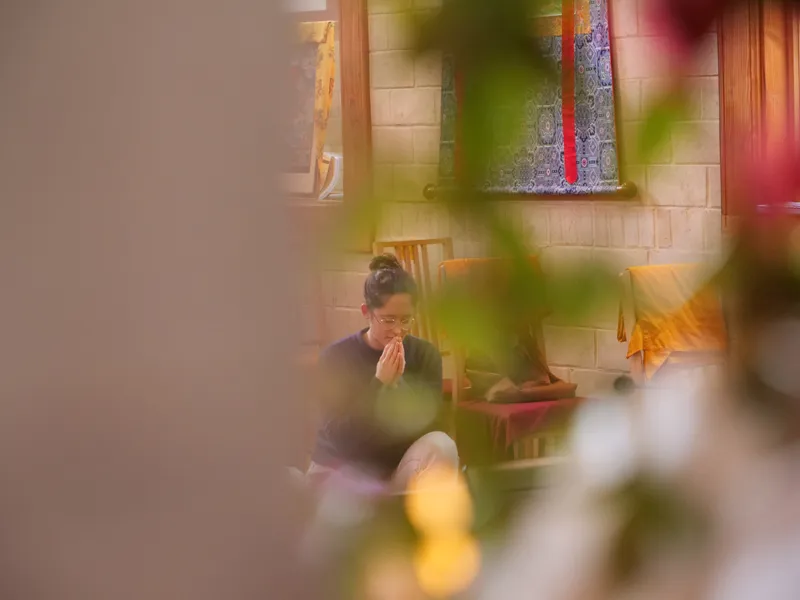
Image Courtesy of Ruby Olmstead
But here’s what nobody tells you about building something genuinely new in public: you have to be willing to constantly evolve around what your audience actually needs, not what you originally planned to give them. The methodology has deepened because the community asked better questions than I knew to ask myself. The content has changed shape because I paid attention to what resonated and why. I didn’t build this alone. I built it in response.
That responsiveness isn’t a compromise of the original vision. It is the vision. A practice that only works if it keeps listening is the most sustainable kind.
What I didn’t expect was how resonant the framing of honesty would be. The audience that found me didn’t come because I had authority. They came because I didn’t claim it. Because I was doing something genuinely new, in public, and being transparent about every step of the process including the parts I didn’t understand yet.
That is the most Gen Z thing I know how to do. And it is, I’d argue, the model for how any brand or creator can build something real with this generation.
What This Means for Luxury and Culture
Luxury is at an inflection point. The old model, scarcity, aspiration, distance, is losing relevance with the generation that will soon have the most purchasing power in history. And the response from most luxury houses has been to try to speak the language of authenticity while keeping the same fundamental architecture of mystique. It doesn’t translate.
What Gen Z is showing is that the highest form of luxury isn’t inaccessibility. It’s integrity. The thing that is genuinely made, genuinely sourced, genuinely communicated: that is what commands real devotion now.
The brands and creators who understand this aren’t waiting to be perfect before they show up. They’re showing up in process. They’re naming what they don’t know. They’re building in public and letting the audience be part of the becoming.
That’s not a vulnerability.
That’s the whole strategy.
My generation has seen too much to be impressed by the performance of excellence. But we are deeply moved by the real thing: people and brands willing to be honest about the cost of what they’re building, transparent about how it works, and adaptive enough to keep evolving as the world does.
We’re not impossible to reach. We’re just waiting for something worth trusting.
Ruby is a trend forecaster, brand strategist, and model based in the Pacific Northwest. She tracks where Gen Z culture is heading and documents her own experiments at the intersection of body, identity, and transformation on TikTok and Instagram at @motherrrrnature.